
"berry disease"
1000 article(s) found
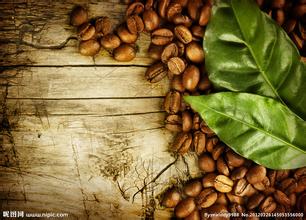
Arabica Coffee Variety Flavor taste Manor area introduces the characteristics of Arabica coffee beans
Arabica (Coffea arabica) is the most traditional Arabica coffee variety. Originally from East Africa, coffee was monopolized by the Arab world for a long time before the 15th century, so it was called Arabian coffee by Europeans. It turned out that all the commercial coffee in the world were small grains, but it was only at the end of the 19th century that growers began to look for other resistance to a large-scale disease.

Arabica Coffee Flavor description introduction to the characteristics of High-quality Coffee Bean varieties
Arabica coffee accounts for 70% of all coffee production, and its excellent flavor and aroma make it the only coffee that Arabica beans can drink directly. However, its resistance to dryness, frost, diseases and insect pests is too low, especially the natural enemy of coffee-leaf rust, so all producing countries are committed to varieties.
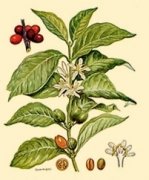
A brief introduction to the basic knowledge of Coffee beans
There are about 60 species of coffee in the world, of which only 25 species are cultivated to make coffee, of which only 4 species are used as commercial coffee: large fruit coffee (Coffea liberica), medium fruit coffee (Coffea canephora), small fruit coffee (Coffea arabica) and high yield coffee (Coffea dewevrei). These are botanical names. Coffee in the world at present
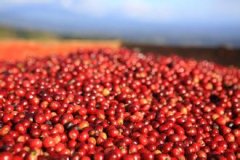
Arabica Coffee Bean and Coffee Manor A brief introduction to Arabica Coffee Manor
Arabica coffee accounts for 70% of all coffee production, and its excellent flavor and aroma make it the only coffee that can be drunk directly. However, its resistance to dryness, frost, diseases and insect pests is too low, especially the natural enemy of coffee-leaf rust, so all producing countries are committed to variety improvement. Arabica species (Coffea

A brief introduction to the planting situation of Arabica Coffee Variety and Market Price
Arabica coffee accounts for 70% of all coffee production, and Arabica coffee accounts for 70% of all coffee products. its excellent flavor and aroma make it a direct drinkable coffee with only 8 Arabica beans (8). But its resistance to dryness, frost, diseases and insect pests is too low, especially the natural enemy of coffee-leaf rust, so all producing countries are in

Coffee history and culture have been controversial and have been considered important factors affecting children's learning.
Now we all know coffee is a good thing, but people used to think differently. Let's look back at centuries of endless debate over coffee. 16th century: Coffee can make people excited Legend has it that a shepherd named Kaldi in Ethiopia discovered that his sheep suddenly became excited after eating an oily green leaf and red berries. He tasted it himself.

Introduction to the characteristics of Arabica Coffee Flavor description, Grinding degree treatment, Price and planting Environment
Arabica coffee accounts for 70% of all coffee production, and its excellent flavor and aroma make it a direct drinkable coffee with only eight Arabica beans (8). However, its resistance to dryness, frost, diseases and insect pests is too low, especially the natural enemy of coffee-leaf rust, so all producing countries are committed to products.
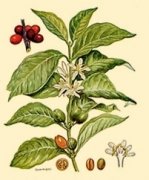
Basic knowledge of boutique coffee knowledge of fine coffee beans
There are about 60 species of coffee in the world, of which only 25 species are cultivated to make coffee, of which only 4 species are used as commercial coffee: large fruit coffee (Coffea liberica), medium fruit coffee (Coffea canephora), small fruit coffee (Coffea arabica) and high yield coffee (Coffea dewevrei). These are botanical names. Coffee in the world at present

Introduction to Santa Barara Manor in Honduras Coffee Manor
The policy of agricultural transformation adopted by the Honduran government is closely related to the 18-month low of the raw coffee bean market. Many futures analysts predict that stocks in many major coffee-producing countries will rise in the near future, but this is only a prediction. As of this book, the latest futures coffee price is $1.1705. Berries for everyone to popularize what is coffee leaf rust
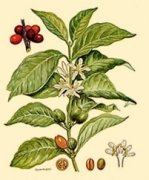
There are about 60 species of coffee plants in the world.
There are about 60 species of coffee in the world, of which only 25 species are cultivated to make coffee, of which only 4 species are used as commercial coffee: large fruit coffee (Coffea liberica), medium fruit coffee (Coffea canephora), small fruit coffee (Coffea arabica) and high yield coffee (Coffea dewevrei). These are botanical names. Coffee in the world at present

What is the meaning of Kenyan Mutika AATop? what brand of Kenyan coffee beans tastes good?
Professional coffee knowledge exchange more coffee bean information please follow the coffee workshop (Wechat official account cafe_style) production area: Nyeri Nieri varieties: SL 28 and SL 34 raw bean treatment: washing fermentation, African elevated sun roasting: medium roasting Medium Roast shows the best balance of Kenyan coffee, charming berry aromas and sour taste of ripe fruit, strong taste
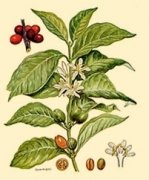
Coffee beans. There are about 60 species of coffee plants in the world.
There are about 60 species of coffee in the world, of which only 25 species are cultivated to make coffee, of which only 4 species are used as commercial coffee: large fruit coffee (Coffea liberica), medium fruit coffee (Coffea canephora), small fruit coffee (Coffea arabica) and high yield coffee (Coffea dewevrei). These are botanical names. Coffee in the world at present

Characteristics of Arabica Coffee Flavor description method introduction to the characteristics of high-quality coffee beans in producing areas
Arabica coffee accounts for 70% of all coffee production, and its excellent flavor and aroma make it a direct drinkable coffee with only eight Arabica beans (8). However, its resistance to dryness, frost, diseases and insect pests is too low, especially the natural enemy of coffee-leaf rust, so all producing countries are committed to products.

Do you know what pests and diseases are the biggest threats to coffee?
Professional coffee knowledge exchange More coffee bean information Please pay attention to coffee workshop (Weixin Official Accounts cafe_style) What causes coffee diseases or attracts pests? Coffee, like all crops, is susceptible to pest infestation or disease, according to a report by CIRAD, the French agricultural research centre

Introduction to the flavor and taste of coffee manor in Honduras the characteristics of Honduran coffee in Santa Barara manor
The policy of agricultural transformation adopted by the Honduran government is closely related to the 18-month low of the raw coffee bean market. Many futures analysts predict that stocks in many major coffee-producing countries will rise in the near future, but this is only a prediction. As of this book, the latest futures coffee price is $1.1705. Berries for everyone to popularize what is coffee leaf rust

Chateau Shumawa, Costa Rica, iron pickup or bourbon? Iron pickup coffee bean iron pickup coffee
Iron pickup "Typica" iron pickup, the name sounds majestic and powerful, but in fact it is not so strong. It has a weak physique, poor disease resistance, easy to catch rust leaf disease, and produces less fruit. It is one of the oldest native varieties in Ethiopia, and many Arabica are derived from iron pickups! The parietal leaf of the iron pickup is bronzed, and the bean grain is large, pointed, oval or thin.

The variety [Caturra] Katura and its variety evolved from Arabica species
Exchange of professional baristas Please pay attention to Coffee Workshop (Wechat official account cafe_style) A single gene natural mutation of [Caturra] Katula Red Bourbon, a single gene dwarf green-top variety evolved from the Arabica species, with 50006000 plants per hectare, no shading, small beans, and higher yield than Bourbon. It was first discovered in Brazil in 1937 and in Minas Ger in Brazil in 1937.

Flavor characteristics and taste of Limpopo coffee beans in Mulanka, Muranga, Kenya
Mulanka producing area Muranga is located in Mount MountKenya of Kenya, and Mulanka Muranga producing area is close to Neri Neyri producing area. It has fertile volcanic soil and provides sufficient nutrients for coffee planting. There are two rainy seasons every year, usually from March to April and November.

What are the characteristics of Cenicaf é 1, a new coffee variety cultivated in Colombia?
The selection of coffee varieties will affect the taste, growth conditions, roasting characteristics of coffee, etc., which makes the release of the new Colombian variety Cenicaf1 exciting. Agronomist Claudia Flores (Claudia Florez), PhD in plant breeding, works with the Colombian Coffee Growers Federation (FNC) and its research center Cenicaf. She well agreed to talk to me about the new